
Has given young single mothers a future with hope
27. January 2026
In just six months, 100 single mothers in Ruhama, Uganda, have received training in everything from small-scale farming to health, finance and entrepreneurship. This has given them tools for a better future.
“Many of these women previously had no support, no work and no income. Now they have the tools to build a better life for themselves and their children,” says Justus Kansiime (32).
Kansiime is the man behind the project Enhancing the livelihood of young single mothers in Ruhama. The project began when he received a 5,000 US dollar grant from the Post-Exchange Initiative, a support scheme for former Norec exchange participants.
A project rooted in personal experience
The Post-Exchange Initiative helps former participants use the knowledge they gained during their exchange to create positive changes in their communities.
For Kansiime, the choice of project was easy.
“Ruhama is the village my parents come from, and I lived there until I was 14,” he explains.
Although he no longer lives in Ruhama, he still feels a strong connection to the village.
Challenges faced by single mothers
Ruhama is in Ruhaama County, Ntungamo District in southwestern Uganda, a rural region situated about an eight-hour drive from Kampala.
The project was carried out in five villages within Ruhaama County; Mishenyi (Kansiime’s home village), Ruhanga, Kakiizi, Nyamuhani and Mpanga.
“Many of the single mothers are widows, have been abandoned by their husbands, or have never had a partner. They start from a very difficult position. Many of them have no job and no income and live with their parents. They also have poor access to health services and face strong social stigma,” says Kansiime.
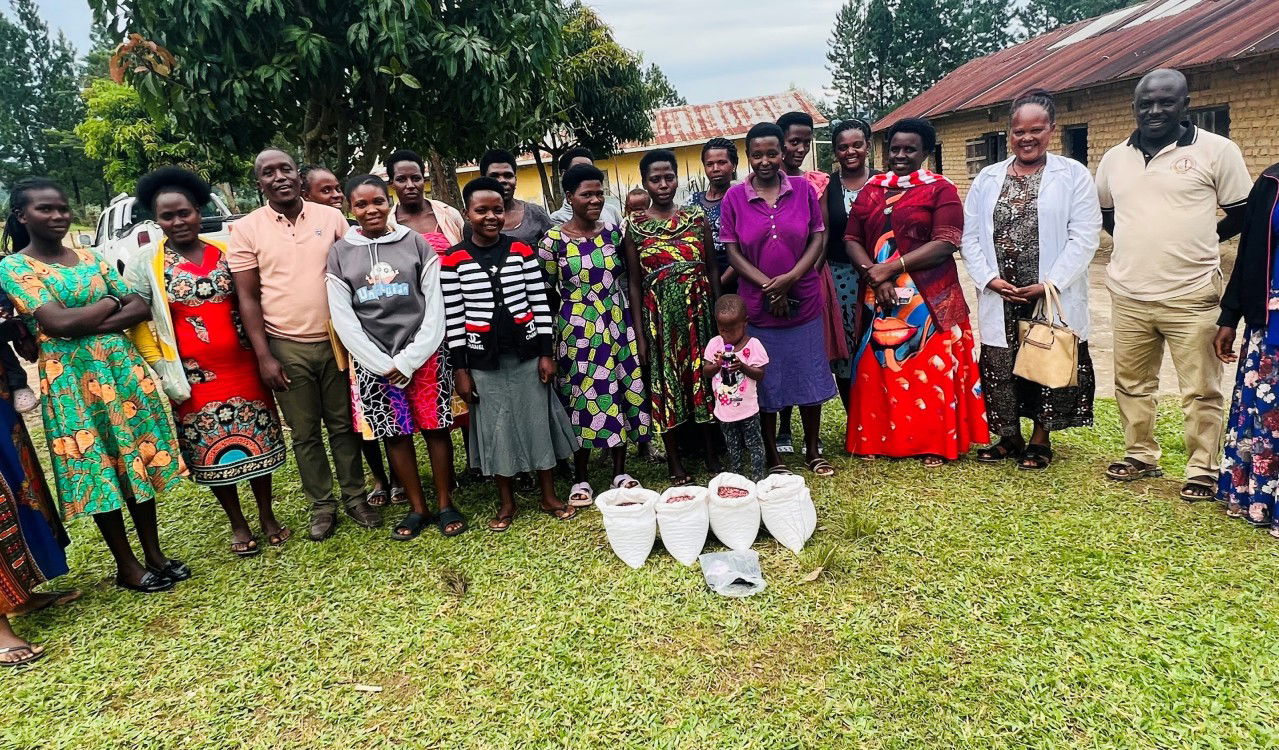
This motivated him to apply for funding to help 100 young women gain the knowledge they need for a better life. The 100 participants were drawn evenly from the five villages, ensuring balanced representation and equitable access to training.
“I wanted the project to reach those who truly needed it,” he says.
Women shaping the project
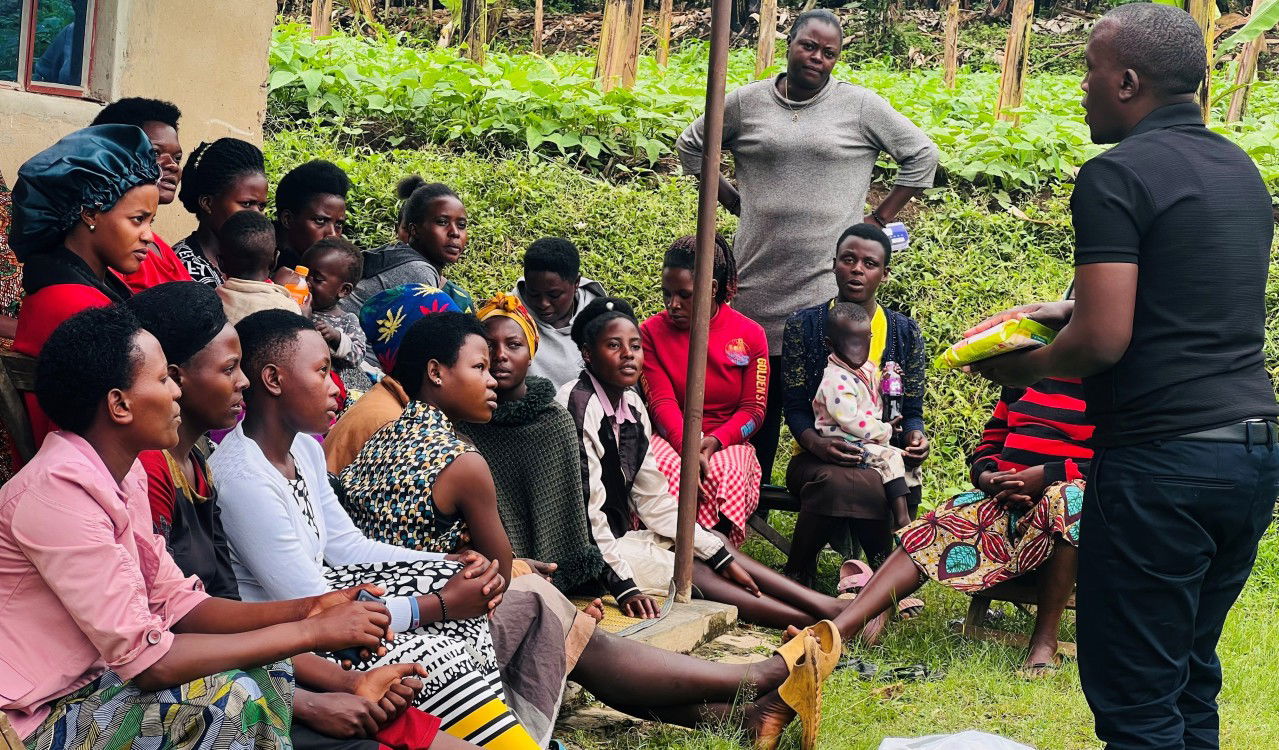
The women, aged 14 to 30, helped shape the training modules by explaining their biggest challenges.
“They felt ownership of the project and participated actively,” says Kansiime.
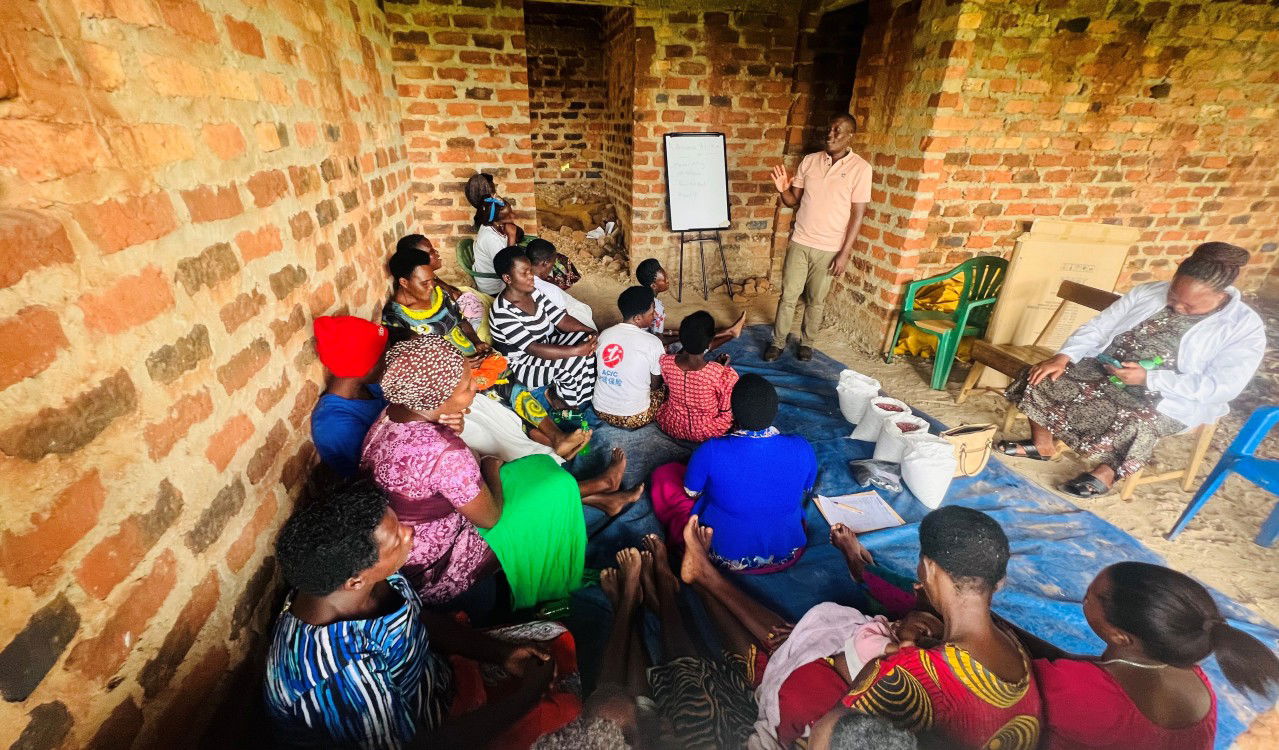
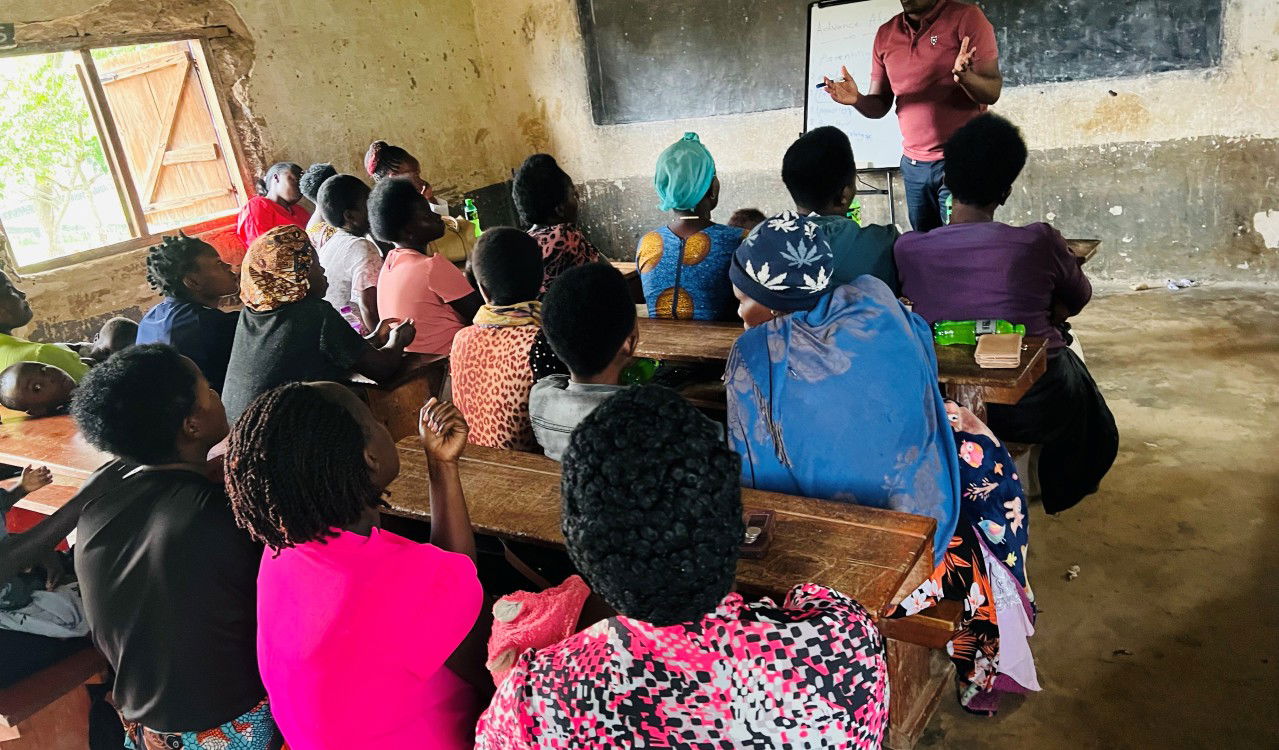
Through 12 modules, they learned about climate-friendly agriculture, seed production, crop growing, small-scale business, finance, health and nutrition, and mental health and resilience.
Training activities rotated among the five villages to ensure equal access. Local leaders and volunteers in each community helped mobilise the women, organise meeting spaces and support distribution of seeds and materials.
“Each time we met, the women received seeds to take home. They learned how to plant them, and how to save seeds from their harvests. This was knowledge they used right away,” he explains.
Obstacles along the way
Even though the project was successful, it faced several challenges.
“We had a long dry spell, political unrest and poor infrastructure. But through cooperation and targeted support, we managed to complete the project,” he says.
Mothers as agents of change
Kansiime believes the project shows that young single mothers can be strong drivers of change when they receive the right tools, support and opportunities.
“The project succeeded because these women are committed to improving their own lives and their children’s future,” he says.
He admits he was unsure at first whether a six-month project could make a real difference.
“But now I see that it has meant a great deal to those who took part. Single mothers who were once marginalised are now contributing actively to their households, community health and local development. They now have the tools to shape the future for themselves and their children,” Kansiime says.
Facts
- All 100 participants completed training in entrepreneurship, financial skills, climate-friendly agriculture and health.
- More than 75 participants started income-generating activities in trade and agriculture. Many now sell products at local markets and run small businesses.
- Training in agriculture and seed distribution improved food access and crop yields.
- Health and life-skills training increased knowledge of maternal health, child nutrition and reproductive health.
- More women now use family planning and prioritise hygiene and mental well-being.
- Many mentor and support groups were created, and several mothers joined saving and loan groups, increasing their economic safety and social support.